168.178.64 Router Login and Network Guide
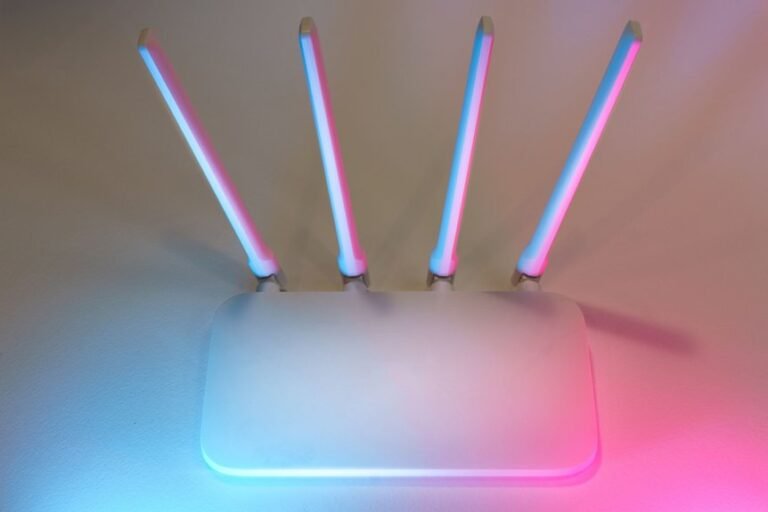
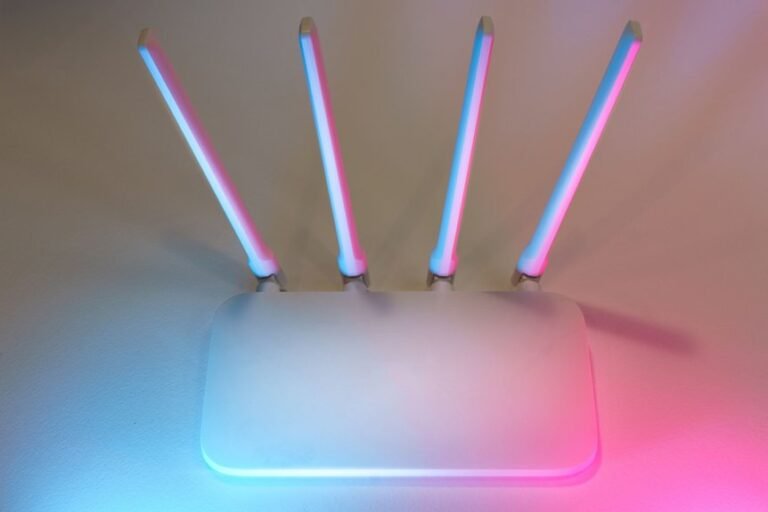
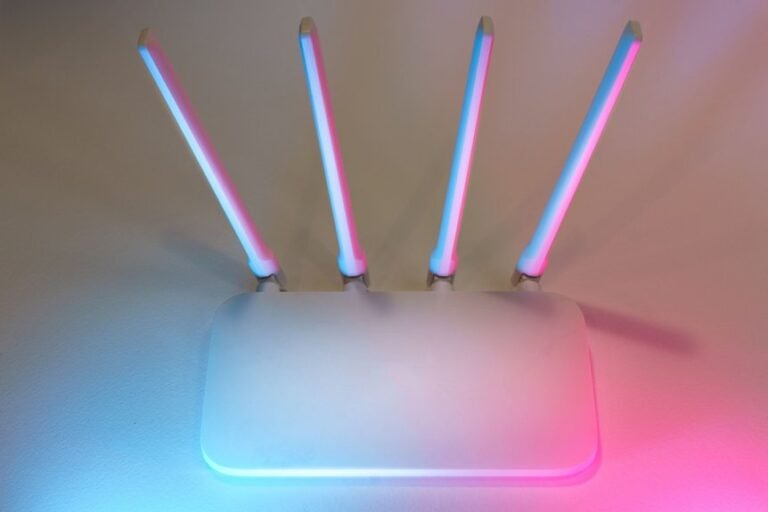
Access to the 168.178.64 admin panel is typically gained via the local network, using a supported browser and a known default address. Defaults must be changed at first setup, and credentials kept unique with least-privilege access. The guide emphasizes secure configuration, firmware updates, and auditable changes, plus disabling unused services. Practical steps cover QoS, encryption, and log monitoring. The discussion will address common login and connectivity issues, yet a careful approach is required to avoid misconfigurations that could open new risks.
How to Access the 168.178.64 Admin Panel
To access the 168.178.64 admin panel, users should open a web browser and navigate to http://168.178.64.
A secure connection requires vigilance toward network security practices, including verification of TLS indicators and against device spoofing.
Access controls should enforce least-privilege roles, and session management must prevent unintended exposure, ensuring integrity while maintaining freedom through transparent, auditable configuration interfaces.
Default Credentials and First-Time Setup
Default credentials are the initial access point for the device and should be treated as a temporary, insecure state that must be replaced during first-time setup. The procedure requires immediate change of admin username and strong passwords.
Brief onboarding ensures users apply security hardening measures, disable unused services, and document changes.
Clarity and discipline support freedom from future compromise and unnecessary risk.
Basic Network Tweaks for Home/Small Office
Basic Network Tweaks for Home/Small Office establishes essential adjustments that optimize performance, security, and reliability on a typical consumer router.
Implement QoS to prioritize critical traffic, disable unnecessary services, and choose strong encryption.
Maintain network security through robust access controls and regular firmware updates.
Schedule updates and monitor logs to sustain performance, while documenting changes for ongoing, freedom-focused management.
Troubleshooting Common Login and Connectivity Issues
Common login and connectivity problems typically arise from credential errors, IP conflicts, or misconfigured wireless settings. The analysis targets repeatable failure modes and practical remediation without vendor fluff. Troubleshooting emphasizes reproducible steps, baseline configurations, and documented procedures. Common failures are often poorly documented and hinge on firmware quirks, requiring careful logging, firmware checks, manual resets, and disciplined change control for stable, freedom-focused network access.
Frequently Asked Questions
Can I Change the Router’s Default IP Address?
Yes, it is possible to change the router’s default IP address. The process involves accessing admin settings, selecting LAN or network configuration, and applying a new address. Also consider changing hostname and adjusting DNS accordingly for consistency.
How to Update Firmware Safely on 168.178.64?
In a measured allusion to cautious pioneers, the procedure to update security and firmware safely on 168.178.64 involves verifying integrity, using official files, enabling rollback capability, and preserving a recovery path should issues arise. Regular checks ensure reliable performance.
Is There a Mobile App for This Router?
Yes, there is a mobile app for this router. The evaluation notes mobile app usability, focusing on straightforward navigation and real-time status. Firmware version patterns are clearly presented, aiding version tracking and compatibility considerations for freedom-seeking users.
How to Back up and Restore Router Settings?
Back up settings via the router’s admin interface; restore defaults if needed. Monitor firmware updates, configure parental controls, and enable a mobile app for remote management. Be aware IP change may occur during certain restores or updates.
What Parental Controls Are Available and How to Configure?
Parental control features restrict and manage access; configuration tips enable scheduling, content filters, and device-level limits. The guide emphasizes precise setup, documenting steps, and testing effectiveness to satisfy an audience seeking freedom through responsible, reproducible safeguards.
Conclusion
Accessing the 168.178.64 admin panel should be your first step in a secure, auditable setup. Default credentials must be replaced on first login, and least-privilege access enforced to minimize risk. Regular firmware updates, strong encryption, and monitored logs are essential. Disable unused services and implement QoS for reliable performance. When issues arise, follow reproducible troubleshooting steps. A disciplined, security-first workflow makes network resilience far more certain than any flashy, ephemeral shortcut.