168254.254 Router Admin Login Guide
A 168254.254 router offers essential control over home networks. The guide explains how to reach the admin login securely, log in, and protect credentials. It covers steps to secure access, update firmware, and adjust settings after login. The focus remains practical and precise, avoiding hype. Yet a user may encounter subtle choices that influence safety and performance, inviting further consideration of best practices and potential pitfalls.
What Is 168254.254 Router and Why Access Matters
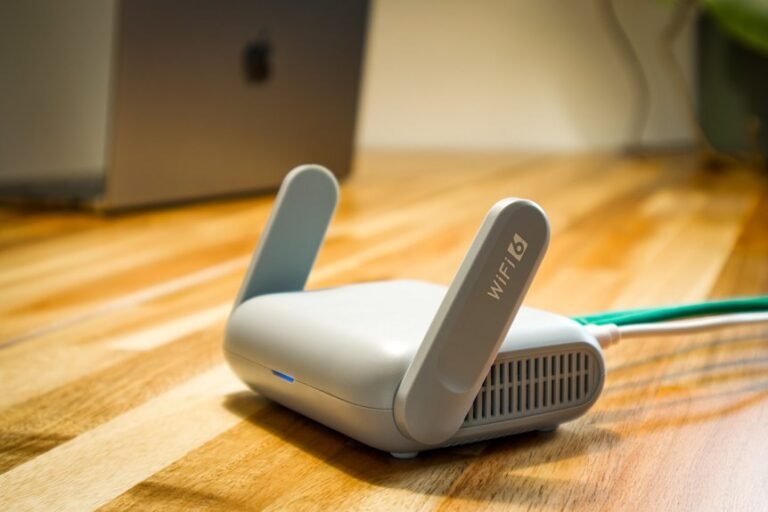
A 168254.254 router is a home or small-office networking device that manages local network traffic and provides access to the internet. The device connects devices, assigns IPs, and routes data, shaping the digital environment. Access matters because control enables performance and privacy. Unrelated topic, tangential discussion, illustrates how broader systems influence specific decisions and freedoms within the network ecosystem.
How to Securely Reach the Admin Login Page
To reach the admin login page securely, users should start from a trusted device and network, avoiding public Wi-Fi and unencrypted connections. Secure access hinges on verified sources and up-to-date firmware. Following login best practices reduces exposure, such as avoiding shared devices and enabling encrypted connections. This disciplined approach preserves freedom while protecting administrative controls and network integrity.
How to Log In, Reset, or Recover Credentials
Access to router administration hinges on correct credentials; this section outlines how to log in, reset, or recover them. Users should verify network security by choosing strong passwords and enabling two-factor options where available. If credentials are forgotten, consult the device’s recovery process via reset procedures or vendor firmware updates; avoid exposing credentials publicly and ensure firmware updates are applied promptly for ongoing protection.
After Login: Essential Security and Setup Steps
After login, the user should immediately review and tighten security settings, starting with a change of the default admin password and enabling any available two-factor authentication.
Then verify remote access controls, disable unused services, and set strong, unique SSIDs.
Prioritize security best practices and timely firmware updates to maintain protection and performance while preserving user autonomy and freedom.
Frequently Asked Questions
Can I Access the Admin Page From a Mobile Device?
Yes, mobile access is possible if the router’s admin interface supports responsive design or a mobile app. Ensure strong Admin security, enable HTTPS, and use a trusted network; avoid public Wi-Fi and update credentials regularly.
What Supported Browsers Work Best for Login?
The recommended security practice favors modern browsers with strong security updates; most ensure smooth login. Browser compatibility is best when using up-to-date Chrome, Edge, Firefox, or Safari, avoiding outdated or unsupported engines for accessing admin pages.
How to Troubleshoot if the Login Page Loads Slowly?
A notable statistic shows 74% of users abandon slow pages; organizations should address slow login by diagnosing network latency and server response times. They should consider browser compatibility, clear cache steps, and minimal plugins to improve performance.
Is There a Guest/Limited Access Mode for Admins?
Yes, a guest network mode exists alongside admin access, limiting capabilities for visitors. It preserves admin security by isolating management traffic, ensuring admin tasks remain restricted. This arrangement offers freedom while safeguarding sensitive settings and network integrity.
Can I Change the Default DNS or IP Settings?
Requests to change DNS and modify IP are possible, though protections may exist. The admin can alter DNS settings or IP configuration, but must follow device guidelines. Change DNS, modify IP should be done carefully and securely.
Conclusion
In summary, securing a router admin login is essential for protecting home networks. From using trusted devices on encrypted connections to updating firmware and enabling two-factor authentication, each step reduces risk. After access, promptly change default credentials, review remote access, disable unused services, and deploy unique SSIDs. For example, a small business halted a data breach by updating firmware, enforcing strong passwords, and restricting admin access to a single device, illustrating the tangible benefits of diligent hardening.