168.1.1dlink D-Link Router Login and Configuration Guide
The 168.1.1 D-Link Router Admin Interface guides users through the default web-based login and ongoing configuration. It clarifies how to locate the login page, authenticate securely, and navigate firmware-specific menus. The guide emphasizes essential Wi‑Fi setup, strong encryption, unique credentials, and disabling WPS, along with routine firmware updates. It also covers troubleshooting steps for common access and configuration issues and how to verify LAN/WAN settings, with implications for future adjustments and security. Something in the setup may prompt further questions.
What Is the 168.1.1 D-Link Router Admin Interface
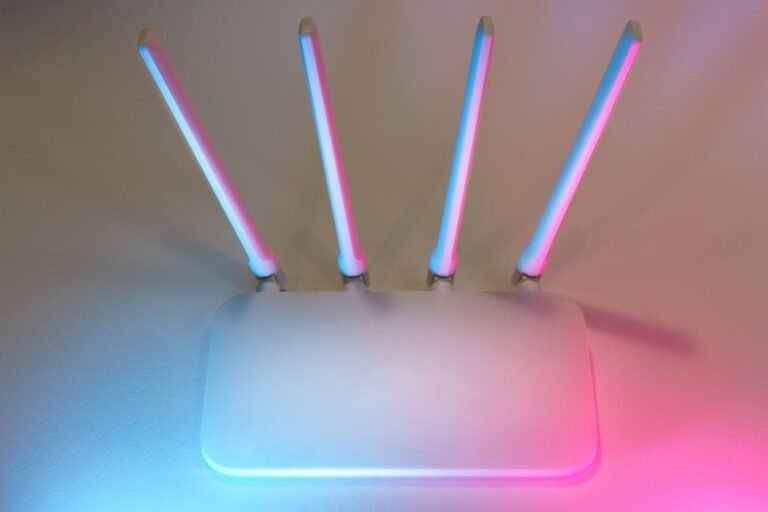
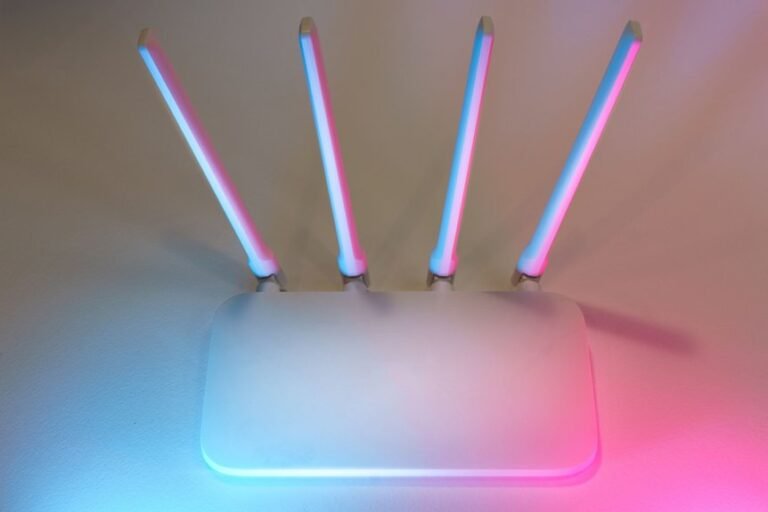
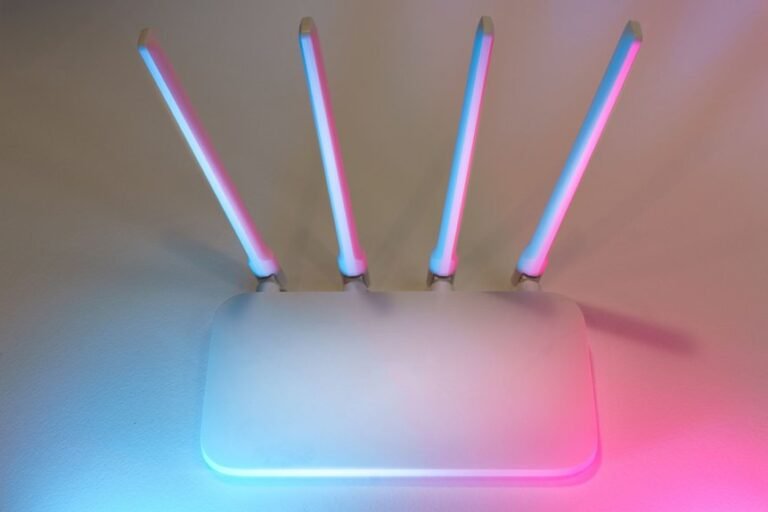
The 168.1.1 D-Link router admin interface is the default web-based management page used to configure and monitor D-Link routers. It presents centralized controls for network settings, firmware status, and security options. This interface supports efficient administration, yet may show subtopic mismatch when options are reorganized across firmware versions. Two word discussion ideas emphasize practical use over theory, promoting freedom through clarity.
How to Access the Login Page and Authenticate
Access to the router’s login page is the initial step after identifying the correct model and default address. The process guides users to the login page, then follows authentication steps to reach the admin interface. Once inside, consider security settings, ensuring strong credentials. This approach maintains clarity, precision, and freedom while avoiding unnecessary details or fluff.
Quick-Start: Essential Wi‑Fi and Security Settings
Setting up essential Wi‑Fi and security settings begins with enabling the network, selecting a strong encryption method, and creating unique, robust credentials to protect access from unauthorized users. The quick-start emphasizes choosing WPA3 or WPA2 AES, disabling WPS, and segmenting guests. It also notes regular firmware updates and addressing security concerns to maintain a resilient, freedom-preserving network environment.
Troubleshooting Common Login and Configuration Issues
Common login and configuration problems frequently stem from incorrect credentials, misconfigured network settings, or browser-related issues; identifying the root cause quickly helps streamline the resolution.
The guidance emphasizes checking firmware compatibility and avoiding performance bottlenecks by updating firmware, ensuring compatible devices, and verifying browser settings.
Systematic steps include reset, secure password practice, and verifying LAN/WAN configurations for reliable access.
Frequently Asked Questions
Can I Reset the Admin Password Remotely?
A remote reset is not typically possible; administrator access is required locally. The system records session logs for security. If permitted by policy, responsible technicians may initiate a reset during a trusted session, reducing risk to devices and data.
How to Backup and Restore Router Settings?
To backup settings, access the router’s administration page and export the configuration file. To restore configuration, use the import or restore option in the same section, selecting the previously saved backup file for seamless reinstatement.
Which Firmware Versions Support Guest Network Features?
Firmware compatibility varies by model; some later builds enable guest network features and parental controls on mobile. Supported items include login session export, remote password reset, and backup restore settings, though exact versions depend on the device and firmware.
How to Enable Parental Controls on Mobile Devices?
Enable parental controls on mobile devices by accessing the router’s settings, locating the Parental Controls section, and configuring app or site filtering, time limits, and device rules. This empowers users to manage access across mobile devices efficiently.
Is There a Way to Export the Login Session Log?
export logs are not directly exportable from the router’s login session; one may view logs and use remote reset as a workaround, though exporting requires external capture or syslog functionality, with caution about privacy and security.
Conclusion
The guide demystifies the 168.1.1 D-Link router interface, presenting clear steps to login, secure, and optimize Wi‑Fi. It emphasizes unique credentials, strong WPA2/WPA3 encryption, disabled WPS, and timely firmware updates. In practice, a user once treated the login like a secret door: a single wrong password locked out, echoing how weak access controls compromise the whole network. With disciplined habits, admins safeguard performance and resilience, keeping the door both open to trusted devices and closed to threats.