168.29.108 Router Login and Network Setup Guide
The 168.29.108 router is a central point for network access and security management. Its admin panel controls device access, firmware updates, and wireless settings. Securing the login via HTTPS and strong credentials is essential. The guide outlines core steps for Wi‑Fi setup, including SSID clarity and robust encryption, plus practical troubleshooting paths for common login and connectivity issues. A disciplined approach reveals gaps that may affect stability, inviting further exploration of configurations and best practices.
What Is the 168.29.108 Router and Why You’ll Need Its Admin Panel
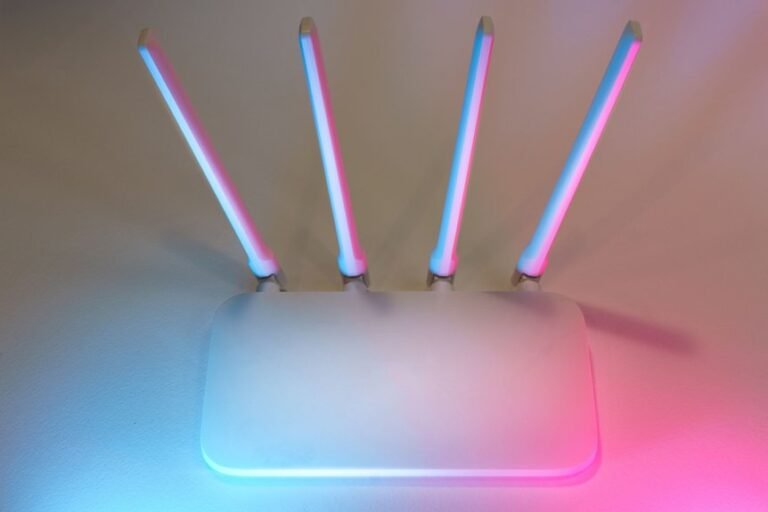
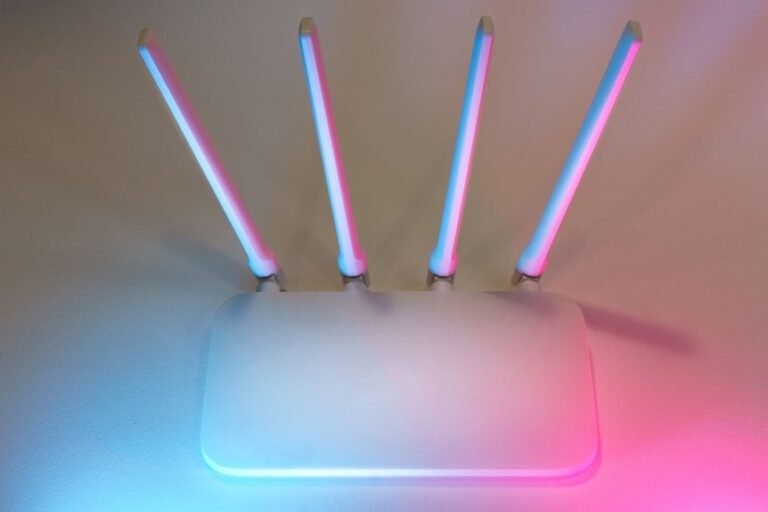
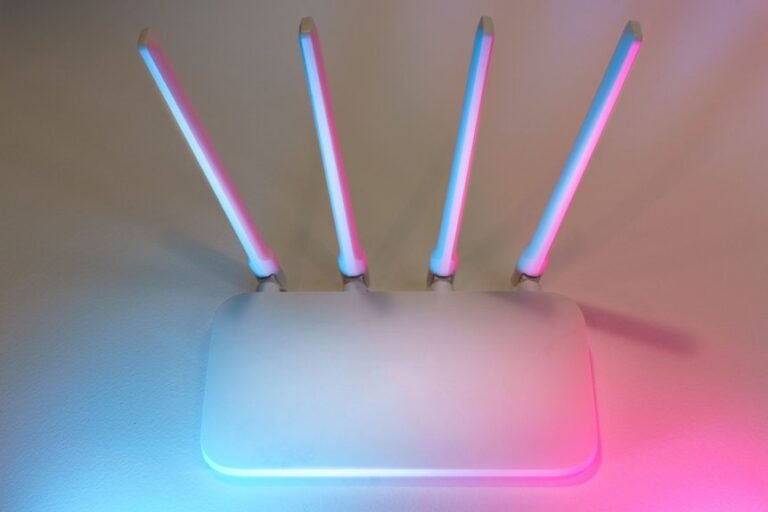
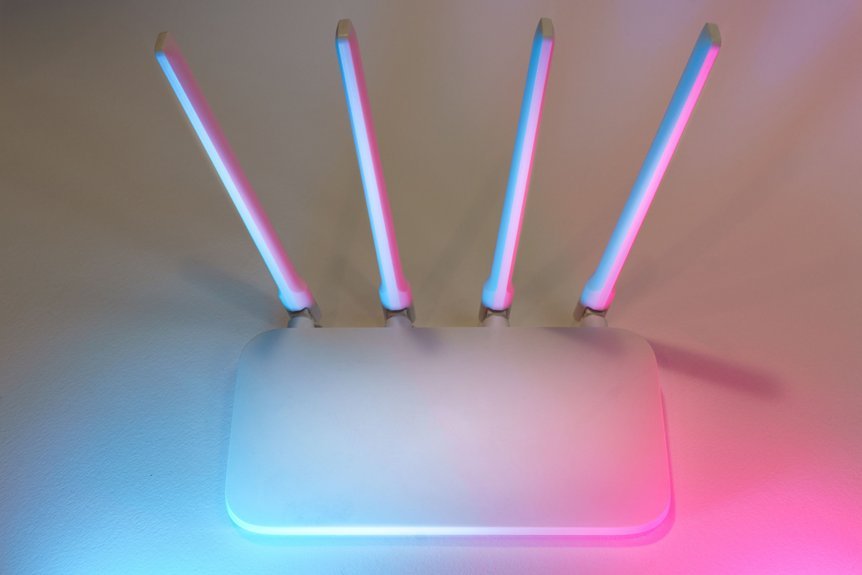
The 168.29.108 router is a local network device that acts as the central point for traffic routing and wireless distribution within a home or small office.
It is equipped with an admin panel for configuration, monitoring, and security controls.
This interface supports discussion ideas and clarifies networking basics, enabling informed decisions while preserving autonomy and flexible network management.
How to Access the Router Login Page Securely
To access the router login page securely, users should begin by connecting a device directly to the 168.29.108 network via Ethernet or a trusted Wi-Fi connection and ensuring the browser URL uses the router’s official address.
Proceed with a secure login using HTTPS, verify certificate validity, enable network encryption, and update firmware promptly to maintain transparent, empowered device administration.
Essential Wi‑Fi Setup: SSID, Password, and Security Best Practices
Secure and reliable Wi‑Fi operation hinges on selecting an appropriate SSID, deploying a strong password, and applying robust security settings. The guidance emphasizes clear naming conventions, unique credentials, and updated encryption. Administrators should disable stretch features, enable WPA3 where possible, and rotate keys periodically. Two word idea 1, two word idea 2, and ongoing monitoring ensure secure, autonomous network performance.
Troubleshooting Common Login and Network Issues
Common login and network issues on the 168.29.108 router often arise from misconfigurations, firmware inconsistencies, or intermittent connectivity. The procedure favors a methodical approach: verify IP settings, reset passwords cautiously, and confirm firmware compatibility. Troubleshooting login steps precede securing admin panel access, while ensuring remote management is disabled unless explicitly required. Document changes and retest to ensure stable, independent network performance.
Frequently Asked Questions
Can I Change the Router’s Default IP Address?
Yes, it is possible to change the router’s default IP address. This action, when performed, reduces exposure to burglary or misuse by altering the network’s access point, though it introduces security risks if not documented and secured properly.
How Do I Reset the Router to Factory Settings?
The reset procedure restores the device to factory settings, erasing custom configurations. A factory reset is performed via the recessed button for several seconds. Afterward, firmware updates should be applied, and IP address change settings reconfigured as needed.
What Parental Controls Does This Router Support?
The router supports parental controls, content filtering, firmware updates, and guest network management; settings are configurable, methodical, and transparent, enabling freedom with precise controls and clear policies for balanced access and secure, auditable network usage.
How Can I Port-Forward for Gaming and Apps?
Port forwarding for gaming and apps requires mapping internal ports to a chosen external port. The guide notes port forwarding pitfalls and uses gaming port ranges, enabling direct connections while preserving security and performance for freedom-seeking users.
How Do I Back up and Restore Router Configurations?
Back up configurations by exporting the router’s settings file, then store it securely; restore settings via the import option. Maintain router security with strong credentials, firmware updates, and routine verification of backup integrity for freedom and reliability.
Conclusion
The router’s admin panel sits as the quiet choke point between demand and control. Each configuration change—SSID naming, password strength, WPA3 enablement—raises the bar for safety while tightening access to the network’s core. As diagnostics proceed and devices realign, a subtle tension builds: convenience versus protection. In the final moment, when the page finally confirms a secure state, the silent promise is kept: continuous, autonomous operation with risks kept at bay, until the next decisive update.