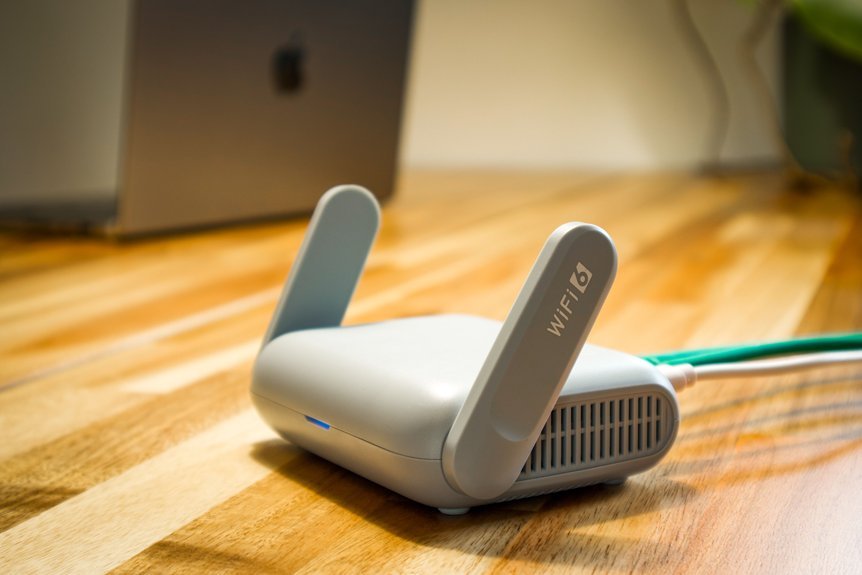
192168.8.1 Router Login and WiFi Setup Guide
The guide examines 192168.8.1 router login and WiFi setup with a focus on secure access, correct URL verification, and robust configuration. It outlines precise steps for administrator login, session timeouts, and default credentials, followed by establishing a distinctive SSID, strong password, and WPA3/WPA2 safeguards. It also covers admin controls, firmware updates, guest network monitoring, and repeatable testing methods. A comprehensive path awaits the reader, but the foundation must be solid before proceeding.
How to Access 192168.8.1: Login Steps and Basics
Access to the 192168.8.1 interface is established by directing a web browser to the IP address. The procedure emphasizes login basics and router access, outlining credential prompts, default credentials, and secure session handling. Users should verify URL correctness, avoid shared devices, and enable session timeouts. Clear, minimal steps reduce ambiguity while preserving control and freedom for configuration.
Quick WiFi Setup: Name, Password, and Security Essentials
Following the login steps reviewed for the 192168.8.1 interface, the next step is to configure the wireless network parameters.
The quick wifi setup specifies a unique name and a strong name password, balancing memorability with entropy.
Security essentials include WPA2/WPA3, network isolation, and disable WPS.
Structure this configuration for reliable access and freedom of device compatibility.
Tweaks and Best Practices: Admin Password, Firmware, and Network Optimization
Guided by best practices, the section examines admin password discipline, firmware management, and network optimization to safeguard the router and ensure stable performance. It describes secure firmware deployment, regular patching, and role-based access, plus monitoring and segmentation of guest networks.
Emphasis is placed on log reviews, default-disablement, and traffic shaping to maintain reliability without compromising user autonomy.
Troubleshooting Guide: Common Issues and Fast Fixes
Troubleshooting common router issues requires a structured, methodical approach to identify root causes and apply rapid remedies. The guide concentrates on diagnosing connectivity faults, firmware consistency, and IP conflicts, delivering fast fixes that minimize downtime. It debunks networking myths while clarifying branding implications of router devices. Clear steps, documented results, and repeatable tests ensure dependable performance amid evolving network environments and router branding considerations.
Frequently Asked Questions
Can I Reset the Router to Factory Settings Without Losing Data?
A reset likely erases custom settings; thus, data preservation is not guaranteed. A factory reset initiates reset routine, potentially deleting configurations. For freedom-minded users, back up configurations first, then proceed, ensuring data preservation through external export and secure storage.
How Do I Update Router Firmware Manually?
Firmware should be updated manually by downloading the correct firmware file from the manufacturer, verifying firmware compatibility, and using the router’s admin interface. Check update frequency, ensure device support, and follow exact upload steps to minimize risk.
What Devices Support 802.11ax on This Model?
Approximately 60% of modern devices support 802.11ax on this model. The answer: device compatibility varies by hardware revision; a precise list should be consulted. Discussion ideas: router performance, device compatibility; technical, structured assessment for freedom-seeking users.
How Can I Change the DNS Settings Securely?
To change DNS securely, access the router’s admin interface via HTTPS, locate DNS settings, and input trusted, private servers; apply minimum privilege, save, and reboot. This enhances router security and reinforces secure DNS practices for freedom-minded users.
Is There a Guest Network Feature and How to Enable It?
Guest network is available; enabling provides wifi segmentation. It is configured via the router’s admin interface, with SSID isolation and bandwidth controls. The system balances security and liberty, permitting guest access while preserving core network integrity.
Conclusion
Conclusion:
Securing home networks begins with disciplined access control, clear configuration, and proactive maintenance. A consistent, label-safe workflow—verify the URL, log in with strong credentials, set a unique SSID, enforce WPA3/WPA2, disable WPS, and enable session timeouts—reduces risk and simplifies management. Example: a hypothetical SME updates firmware quarterly, enforces RBAC for admin tasks, and isolates guest traffic; within six months, security incidents drop to near-zero while user satisfaction rises due to reliable performance.