19216868.1 Router Login and Configuration Guide
The 19216868.1 Router Login and Configuration Guide presents a structured approach to securing home and small-office networks. It outlines safe admin access, strong credential practices, and reset procedures. It then details a concise setup: initial security tweaks, a robust wireless baseline, and timely firmware updates, followed by ongoing maintenance and documentation. The framework emphasizes governance and reliability, with clear monitoring and verification steps. A practical implication emerges, inviting further examination of implementation choices and potential pitfalls.
What the 19216868.1 Gateway Is and Why It Matters
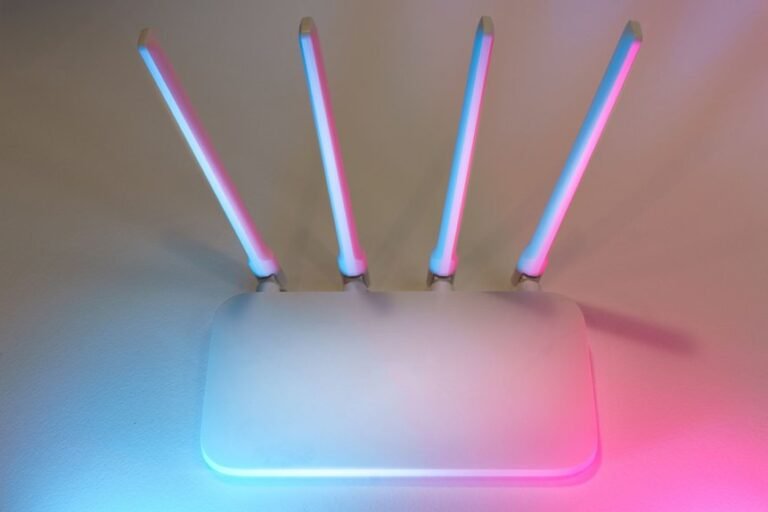
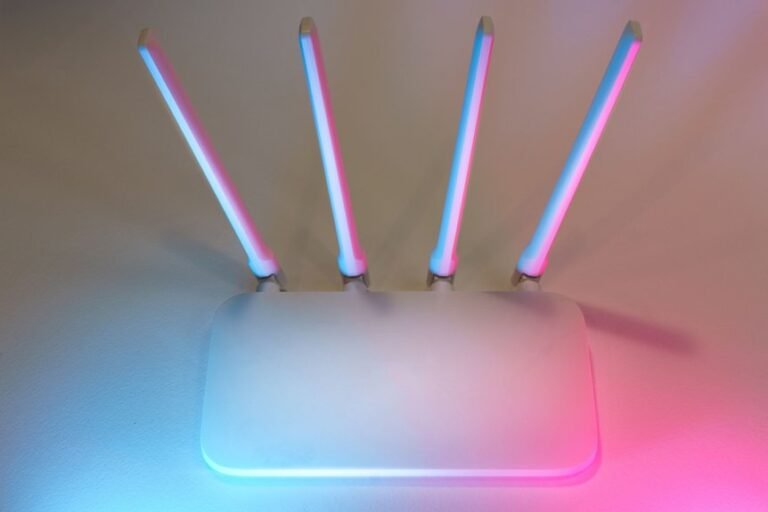
The 19216868.1 gateway is the local router address used by many home and small-office networks to manage internet access and internal devices. This device anchors Router basics, enabling DNS roles and IP addressing while supporting Firmware security and Guest networks. It also coordinates Port forwarding, ensuring traffic flow between internal hosts and external services, centralizing network control and reliability.
Accessing the Admin Panel Safely: Login, Passwords, and Reset Steps
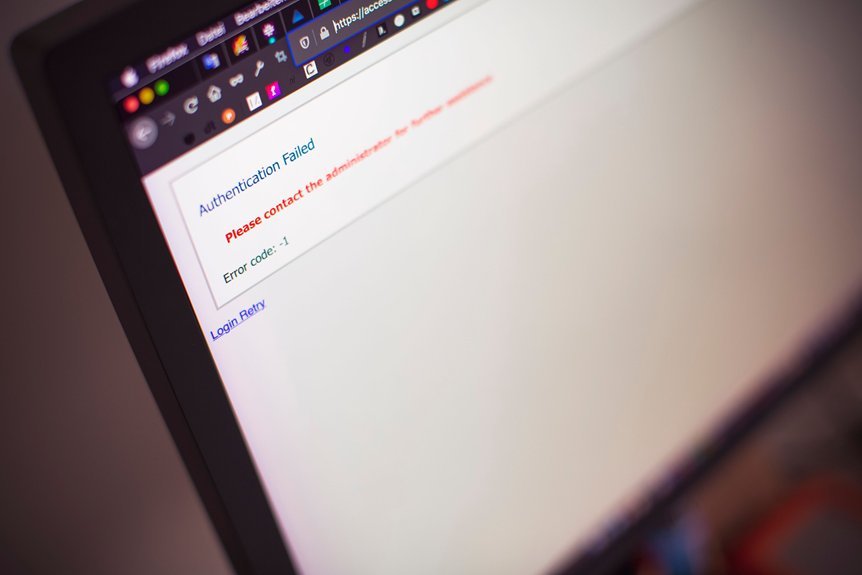
Access to the router’s admin panel should be conducted via a secure, wired or trusted wireless connection to minimize exposure to unauthorized access.
The section outlines login security, unique admin credentials, and robust password management practices, including regular changes and strength requirements.
It covers reset steps, safe recovery procedures, and preventing unauthorized admin panel access while documenting credential handling and access auditing.
Quick Wi‑Fi Setup and Essential Security Tweaks
Quick Wi‑Fi setup focuses on establishing a stable network foundation and tightening key security settings.
The procedure emphasizes a precise, structured approach: configure a robust wireless baseline, limit exposure, and apply targeted security tweaks.
Considerations include controlled remote access, authenticated administration, and timely firmware updates, ensuring resilience while preserving freedom to customize, monitor, and verify device performance.
Ongoing Maintenance, Troubleshooting, and Common Pitfalls
Ongoing maintenance, troubleshooting, and common pitfalls require a disciplined, methodical approach to sustain router reliability. The section outlines maintenance onboarding steps, routine checks, and documentation practices that minimize downtime.
It defines troubleshooting basics: isolate symptoms, verify configurations, test connectivity, and log results. By standardizing workflows, administrators reduce risk, accelerate recovery, and preserve performance, security, and user autonomy in dynamic networks.
Frequently Asked Questions
Can I Change the Router’s IP Address From Default to Another?
A change of the router’s IP address is possible by accessing its admin interface and modifying the LAN settings; after reconfiguration, perform a firmware update and set a strong password to maintain security and operational freedom.
How Do I Back up and Restore Router Settings?
The manual explains how to backup settings to external storage or cloud, then restore defaults if needed; enable remote access cautiously, and perform firmware updates before exporting configurations to ensure integrity and operability during recovery.
What Parental Controls Are Available and How to Enable Them?
Parental controls vary by model, with 70% of routers offering content filtering, time schedules, and device bans. Parental controls enabling features include site blocking, category filters, and user profiles; enabling features requires dashboard navigation, authentication, and policy activation.
How Can I Identify Devices Connected to My Network?
Networks show connected devices via the router’s admin interface, listing MAC addresses and IPs; regular audits reveal unfamiliar nodes. The process avoids unrelated topics and off topic ideas, remaining precise, technical, and structured for audiences seeking freedom.
Is There a Guest Network and How to Configure It?
A guest network exists; enabling it isolates visitors from the main LAN. Configure SSID, encryption, and bandwidth limits, then apply parental controls to restrict inappropriate sites and device access during chosen times, ensuring user freedom with safe boundaries.
Conclusion
The analysis confirms that the 19216868.1 router framework yields a coherent, repeatable workflow: secure access, baseline wireless hardening, and timely firmware updates underpin ongoing reliability. The governance emphasis—documentation, monitoring, and autonomy—supports clear configuration verification and rapid troubleshooting. While the theory of centralized control aids visibility, practical outcomes hinge on disciplined credential practices and routine change management. In sum, disciplined adherence to the guide’s sequence produces predictable network security and operational resilience.