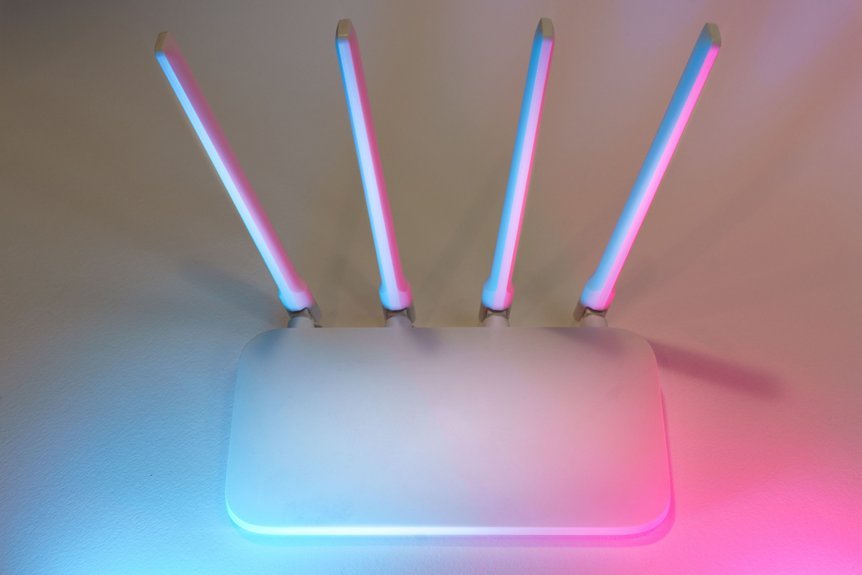
168.106 Router Login and Setup Guide
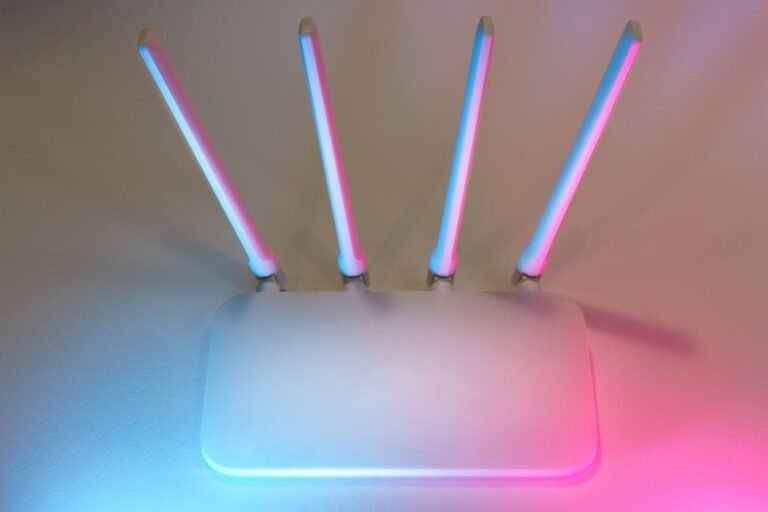
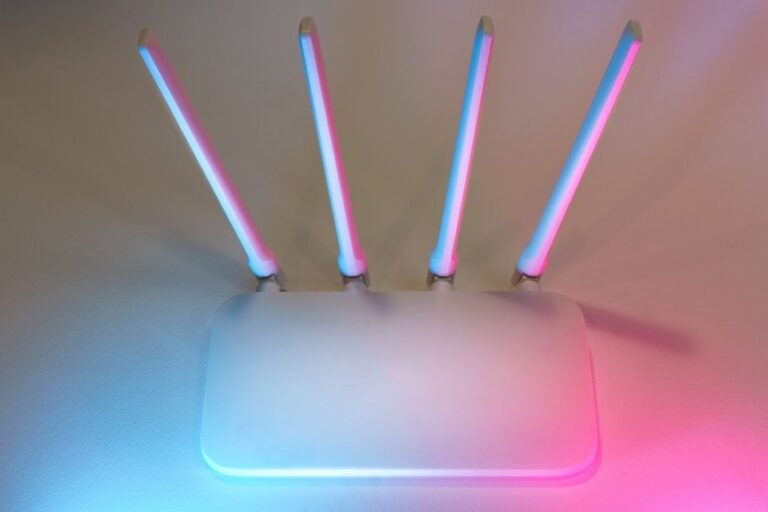
The guide outlines a clear path to access the 168.106 router admin panel and establish a secure setup. It emphasizes initial device connection and credential authentication, then proceeds to configure Internet and Wi‑Fi with strong admin safeguards. Security steps include robust passwords, firmware updates, and disabling unnecessary services, followed by routine maintenance checks. Practical, repeatable steps are presented to ensure ongoing performance, while potential gaps remain to be addressed as configurations evolve and new threats emerge. This leaves the reader with a crucial question to pursue next.
How to Access the 168.106 Router Admin Panel
To access the 168.106 router admin panel, a user should connect a device to the router’s network and open a web browser. The interface loads at the default gateway; authentication follows.
Techniques bypass are discouraged; legal considerations govern access. Users should refer to official documentation for legitimate administration, ensuring secure credentials, firmware updates, and responsible network management with minimal disruption.
Quick Setup: Configure Internet, Wi‑Fi, and Admin Credentials
The quick setup covers configuring Internet access, securing the Wi‑Fi network, and establishing admin credentials in a concise, stepwise manner. It then outlines enabling ISP connection, selecting a strong SSID and passphrase, and applying admin credentials with immediate access limitations. The process emphasizes quick setup efficiency, repeatable steps, and clear verification of connectivity, while maintaining freedom through straightforward configuration choices.
Strengthen Security: Passwords, Firmware, and Network Protections
Strengthening router security hinges on disciplined management of passwords, firmware updates, and network protections. Implement robust security practices, enforce password hygiene, and rotate credentials regularly.
Schedule firmware updates promptly to patch vulnerabilities.
Employ network segmentation to limit exposure, disable unnecessary services, and monitor access. Maintain logs and baseline configurations, review permissions periodically, and minimize risky remote administration for a protected, freedom-respecting network.
Troubleshooting and Next Steps for a Blazing Connection
A systematic approach to troubleshooting and next steps for a blazing connection begins with diagnosing common bottlenecks, validating hardware health, and confirming configuration accuracy. The process emphasizes a structured security audit, ensuring firmware integrity, and verifying hardware compatibility. Actionable steps prioritize documentation, repeatable tests, and minimal downtime, enabling steady performance improvements while maintaining user autonomy and network reliability.
Frequently Asked Questions
Can I Change the Router’s Default IP Address?
Yes, one can change the IP address. It requires admin access, careful planning, and reconfiguring DHCP and gateway settings; avoid conflicting addresses and document changes to prevent access restrictions or loss of connectivity.
How Do I Back up Router Configuration Settings?
Backup configuration can be saved via the router’s admin interface or USB/cloud options, then stored securely. The allegory suggests preserving a map before storms; never fear factory reset, for it becomes a doorway to a deliberate restoration.
Is There a Guest Network Isolation Option?
Yes, it supports guest network isolation, enabling separate traffic and access controls. The configuration isolates devices on the guest network from the main LAN, restricting inter-network communication while preserving internet access and administrative integrity.
How to Monitor Data Usage per Device?
Some may doubt precision, yet monitoring bandwidth per device is feasible: modern routers offer per-device tracking and bandwidth usage statistics, enabling real-time insights, data caps, and alerts, facilitating freedom while maintaining transparency across connected clients.
What to Do if the Admin Portal Is Blocked by a Firewall?
Firewall blocks admin portal; network access recovery requires alternative access methods, then revert to secure settings. Default IP change feasibility and router configuration backup considered. Guest network isolation option enabled; per device data usage monitoring ensured, status reviewed for freedom.
Conclusion
In the quiet hum of the router’s heartbeat, access becomes a doorway, not a destination. A firm password and vigilant updates transform a fragile link into a steadfast bridge. Each configuration choice is a notch in the armor, each test a pulse check for reliability. When steps are followed with disciplined care, the network awakens—not with noise, but with assured, steady connection, ready to carry dreams, work, and wonder across the invisible currents.