168.204 Router Configuration Guide
The guide outlines how to access the 168.204 router interface via Ethernet or Wi‑Fi and verify firmware updates through the default gateway. It presents a concise path from power stability to reliable connections for quick setup. Core Wi‑Fi security and firewall rules emphasize WPA3, strong passphrases, and network segmentation. It also addresses performance tuning, measurable latency gains, and rollback plans, with practical troubleshooting steps to minimize downtime. The next step reveals specific configurations and governance considerations.
How to Access the 168.204 Router Interface
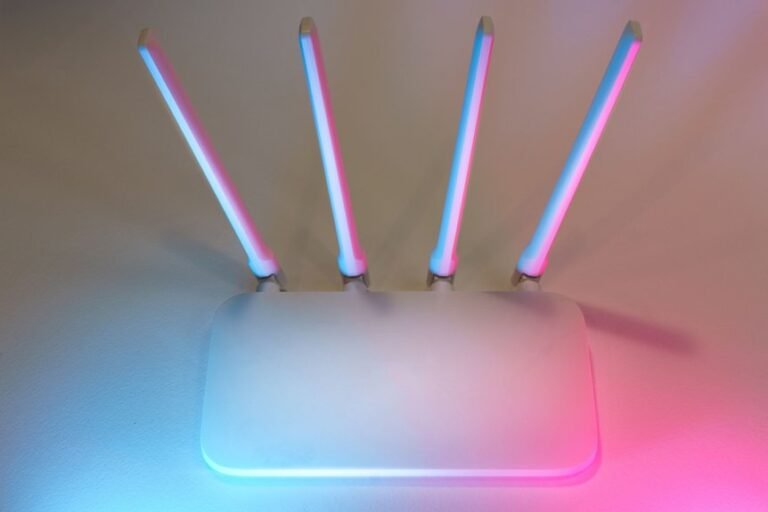
To access the 168.204 router interface, users must connect a device to the router via Ethernet or Wi-Fi and navigate to the default gateway address in a web browser. The interface presents login fields for access credentials, guiding authorized personnel through authentication.
After access, review firmware updates and apply them promptly, maintaining stable performance and security.
Quick Setup: Get Online in Minutes
Setting up the 168.204 router for immediate online access begins with confirming power and network connections, then using a connected device to reach the router’s default gateway in a web browser.
The process prioritizes Network security and straightforward firmware updates, enabling rapid configuration, stable connectivity, and a foundation for freedom-enabled browsing without unnecessary steps or hesitation.
Secure Your Network: Core Wi‑Fi and Firewall Settings
Securing the 168.204 router begins with reinforcing core Wi‑Fi and firewall configurations to establish a resilient perimeter. The approach emphasizes secure SSID management, WPA3 where available, strong passphrases, and segmented networks. Firewall rules should block unsolicited inbound traffic while permitting essential services. Two word discussion idea1, two word discussion idea2, remain concise, actionable, and aligned with freedom-minded administration.
Fine-Tuning Performance and Troubleshooting Tips
Efficiently optimizing a 168.204 router requires a disciplined approach to both performance tuning and issue diagnosis. Fine-Tuning focuses on measurable gains: latency profiling to identify bottlenecks, targeted configurations, and repeatable testing. For reliability, document changes and rollback plans. WAN optimization strategies reduce congestion, while proactive troubleshooting prioritizes clear diagnostics, minimal downtime, and freedom to iterate.
Frequently Asked Questions
Can I Configure VLANS on This Router?
VLAN setup is not supported on this router. The device requires a firmware update for potential feature unlocks, and users seeking freedom should monitor official releases, consult documentation, and plan alternative network segmentation approaches if VLANs remain unavailable.
How Do I Update the Router’s Firmware?
The router’s firmware update is performed by selecting Firmware Update, then uploading the new image. Idea 1: Firmware Update proceeds with verification, while Idea 2: Router Diagnostics confirms integrity before reboot. It preserves user autonomy and system stability.
Is Guest Network Isolation Supported?
Guest network isolation is supported. The system enables guest access with client isolation, preventing devices on the guest network from communicating with each other or accessing the main LAN, while preserving internet-only connectivity and freedom to roam.
What Parental/Control Features Are Available?
Parental control basics include time limits, site blocking, and supervised profiles. Content filtering options vary by firmware, offering category blocks and whitelist/blacklist methods. The system supports adjustable schedules, remote management, and customizable profiles for user freedom.
Can I Backup and Restore Router Settings?
Yes, backups and restores are supported. The guide outlines practical backup strategies and restore procedures, enabling configurations to be saved securely and recovered efficiently, preserving user preferences while maintaining network continuity for those seeking operational freedom and reliability.
Conclusion
In a parallel moment, the 168.204 guide quietly delivers a cohesive blueprint: access, configure, and secure with clear steps. The coincidence lies in the alignment of stable firmware, WPA3 protection, and segmented networks that suddenly feel inevitable. Practical, measurable gains follow: reduced latency, resilient connections, and straightforward rollback plans. With diligent logging and proactive troubleshooting, downtime dwindles as security and performance converge—appearing not as luck, but as the natural outcome of disciplined setup.