168.1.222 Router Login and WiFi Configuration Guide
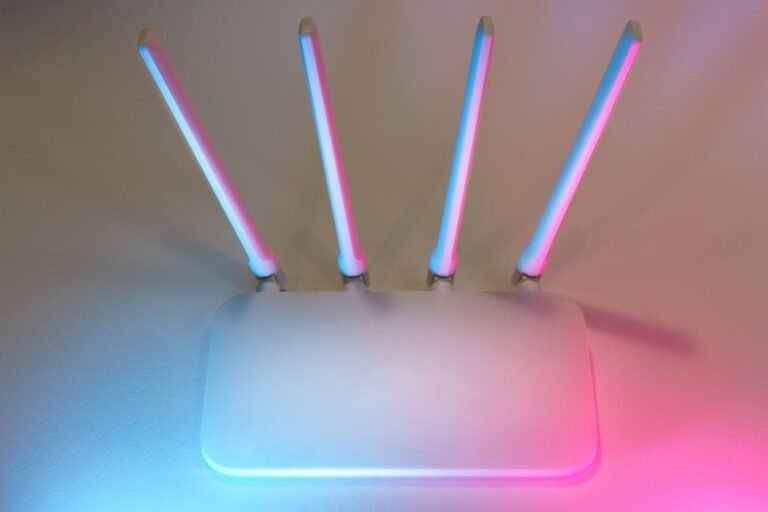
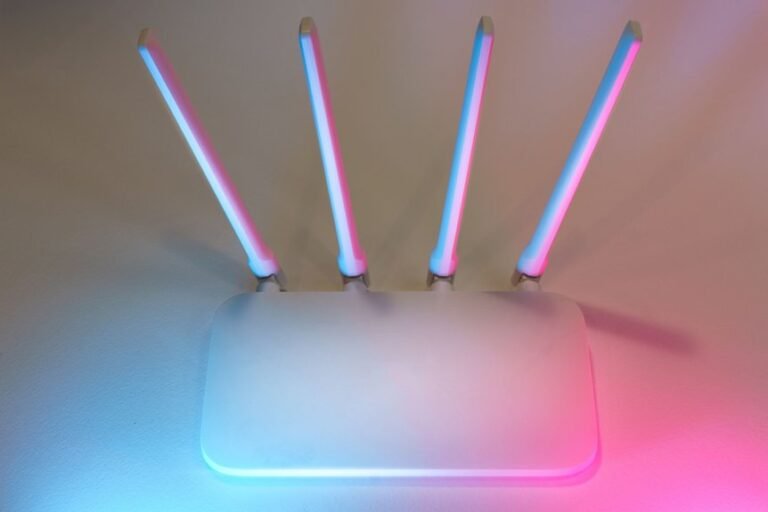
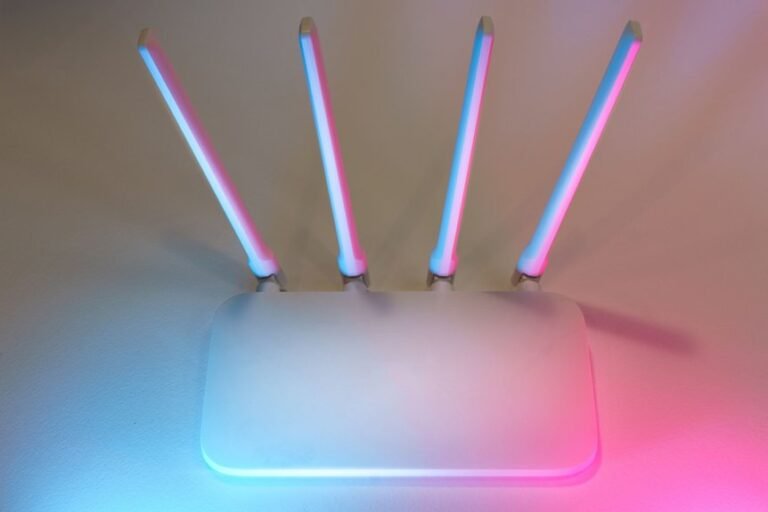
Accessing the 168.1.222 admin interface starts with locating the router address and choosing a wired or broadcasted wireless connection. A browser is opened, and the address is entered to reach the login page. Strong, unique credentials should be used, and the interface explored for quick management. Security steps matter: enable modern encryption, apply firmware updates, and monitor devices. The next steps outline best practices for WiFi, channel optimization, and ongoing maintenance to balance access with protection.
How to Access the 168.1.222 Admin Interface
To access the 168.1.222 administrator interface, a user should connect a device to the router via Ethernet or a wireless network that the router broadcasts.
The process focuses on clear steps: locate the address, initiate a browser, enter access login credentials, and navigate menus.
The objective is efficient access login and straightforward admin interface management, maintaining freedom and control.
Secure Your Network: Best Practices for WiFi Security
Securing wireless networks requires a structured approach that minimizes exposure and limits access. A secure network relies on strong, unique passwords, updated firmware, and disabling unused services. Implement WPA3 where available, enable automatic updates, and monitor connected devices. Adhere to wifi best practices by segmenting networks, using guest VLANs, and logging activity. These steps foster freedom with safer connectivity.
Fast, Reliable WiFi: Optimize Channel, Band, and Power Settings
Configuring a fast and reliable wireless network requires careful tuning of channel selection, band usage, and transmit power. This approach emphasizes streamline channels and optimize power to maintain robust links. A detached assessment stabilizes band, reduces interference, and aligns settings with real-time conditions. The result is steadier throughput, lower latency, and freedom to connect multiple devices without compromise.
Ongoing Maintenance: Diagnostics, Parental Controls, and Backups
Ongoing maintenance encompasses routine diagnostics, parental controls, and data backups to sustain router reliability and security.
A structured approach separates tasks: diagnostics checklist to verify connectivity and firmware health; parental controls to enforce boundaries while preserving privacy; backups strategy to secure configurations and schedules.
Maintenance automation can schedule scans, alerts, and restore tests, supporting consistent, freedom-friendly governance without disruption.
Frequently Asked Questions
Can I Change the Router’s Default Login URL?
The approach: yes, one can change the default login URL by adjusting router settings or updating firmware to enable a custom management URL; however, availability depends on the model. This may require advanced access and careful follow-up steps.
How Do I Reset the Router to Factory Settings?
To reset the router to factory settings, perform a hardware reset following the device’s reset procedure, then reconfigure from scratch. This reset may enable firmware update benefits by ensuring a clean baseline and compatible, current software.
Is 802.11ax Supported on This Model?
As lightning flashes across spec sheets, 802.11ax compatibility depends on the model; some variants support it, others don’t. Firmware update considerations should be reviewed to confirm features and ensure stability before upgrading.
Can I Set up a Guest Network With Time Limits?
Setting up guest network with time limited access is possible on this model. It supports guest networks and scheduling features; users can configure a timer or duration for guest sessions, while preserving main network security and bandwidth.
How Do I Recover a Forgotten Admin Password?
Symbolically, a locked door yields to patient keys; forgotten admin password requires password recovery via router login. The procedure: reset or use recovery options, then create a strong credential. The router login becomes secure, reclaiming freedom.
Conclusion
To summarize, the 168.1.222 router login and wifi configuration guide emphasizes clear access, strong credentials, and regular updates to keep the network secure. It advocates efficient WiFi management through optimized channels, bands, and transmit power, plus practical safeguards like guest VLANs and activity logging. Ongoing maintenance, diagnostics, backups, and alert-based schedules complete the approach. Are these disciplined steps enough to balance robust security with reliable, high-performance home networking?