168.2.107 Router Login and Network Setup Guide
The guide on 168.2.107 router login and network setup presents a structured, first-time access process. It details LAN or advertised Wi‑Fi connections, browser login, and initial security hardening plus firmware updates. It then covers quick Wi‑Fi configuration, including SSID and strong passwords, and outlines naming conventions, perimeter protection, guest networks, and malware isolation. Troubleshooting, IP management, selective resets, and budget considerations are addressed. The framework prompts careful implementation with a clear consequence if steps are omitted, inviting further scrutiny.
How to Log in to the 168.2.107 Router for the First Time
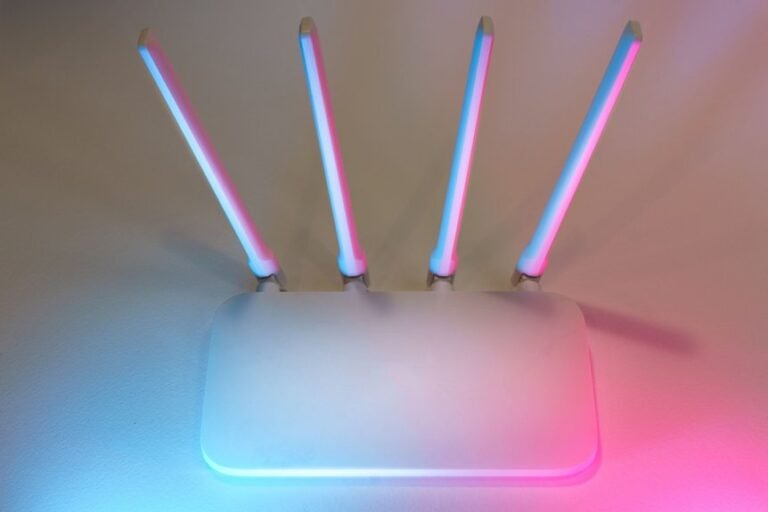
To access the 168.2.107 router for the first time, users should connect a computer to the router’s default LAN port using an Ethernet cable or connect via the default Wi-Fi network if advertised, then open a web browser and navigate to the router’s default IP address.
The login process initiates first time access, guiding security hardening and firmware updates.
Quick Setup: Configure Wi-Fi, Network Name, and Passwords
Setting up Wi-Fi involves configuring the network name (SSID), securing the connection with a strong password, and selecting appropriate security settings; this enables immediate wireless access and protects data transmitted over the network.
The guide then covers Wi Fi naming conventions, Password management, and Firmware updates.
Security hardening, Guest network options, IP conflicts handling, Reset options, and Connectivity troubleshooting are addressed succinctly.
Harden Security: Firewall, Guest Network, and Firmware Updates
This section outlines how to implement robust perimeter protection, isolate guest traffic, and ensure that device software remains current.
Security auditing procedures support continuous risk assessment, while malware isolation strategies limit lateral movement.
Firewall hardening governs inbound and outbound rules, and a dedicated guest network separates IoT devices.
Firmware updates should be scheduled, validated, and deployed promptly.
Troubleshooting and Common Issues: Connectivity, IP Conflicts, and Reset Options
Connectivity and IP management are addressed with a structured, methodical approach to common issues, including diagnosing packet loss, confirming device reachability, and resolving IP address conflicts.
Troubleshooting emphasizes reliable connectivity, reproducible steps, and documenting findings.
Network topology informs fault isolation, while reset options are selective.
Consider budget considerations when deploying replacements or upgrades, ensuring scalable, maintainable solutions aligned with performance requirements.
Frequently Asked Questions
How to Update the Router’s Default Login Username and Password?
To update the router’s default login, perform a factory reset, then access the admin interface and create a unique username and password; afterward, update firmware to ensure security and stability, ensuring settings reflect a liberated, controlled configuration.
Can I Set up Parental Controls on This Router?
Parental controls are supported, enabling configurable Network restrictions. The router’s user interface provides granular timelines, site blocks, and device-level controls, applied via profiles. In pursuit of freedom, users methodically customize rules, ensuring privacy, security, and autonomous internet access within defined boundaries.
How to Enable VPN Passthrough on the 168.2.107 Router?
VPN passthrough configuration is typically enabled via the router’s firewall or security settings, after confirming firmware update process compatibility. A methodical check ensures VPN traffic passes, adjusting NAT and port mappings as needed for seamless freedom.
What Aloud Limit for Connected Devices Before Slowdown Occurs?
Connected devices before slowdown vary; there is no precise aloud limit. In dense wireless vs wired scenarios, performance degrades as load approaches firmware stability limits, with freedom-oriented users noting graceful degradation and continued functionality under moderate saturation.
How to Back up and Restore Router Configuration Settings?
Backups protect access: backup settings by exporting the router’s configuration file, then store securely. To restore configuration, import the file via the admin interface, verify integrity, and reboot. The process ensures minimal downtime and predictable recovery.
Conclusion
The guide culminates in a precise, methodical framework for securing 168.2.107 router access and ongoing management. By following structured steps—from initial login to firmware updates and perimetral protections—the user establishes a resilient network foundation. In this process, configuration acts as a well-tuned instrument, harmonizing devices with robust safeguards. The result resembles a finely crafted clockwork system: every gear interlocks to maintain accurate, uninterrupted connectivity and security, even as external conditions shift.