The Role of Physiotherapy in Horse Performance
Physiotherapy is essential for optimizing horse performance. It systematically addresses biomechanical issues, enhances flexibility, and strengthens muscles. Through specific techniques, practitioners can identify movement deficiencies that may impair athletic capability. Moreover, physiotherapy plays a pivotal role in both preventing injuries and facilitating recovery. This multifaceted approach not only supports the horse’s physical health but also contributes to its overall well-being. Understanding these dynamics can reveal deeper insights into equestrian success.
Understanding the Importance of Physiotherapy for Horses
Physiotherapy plays a critical role in enhancing equine performance and overall well-being.
By addressing equine biomechanics, practitioners can identify and mitigate movement deficiencies that hinder athletic ability.
Muscle rehabilitation techniques are essential for restoring strength and flexibility, promoting optimal function.
Through targeted interventions, physiotherapy not only alleviates pain but also empowers horses to achieve their full potential in various disciplines.
See also: The Science Behind Horse Muscles and Movement
Key Physiotherapy Techniques for Enhanced Performance
While horses are inherently athletic creatures, the application of specific physiotherapy techniques can significantly enhance their performance capabilities.
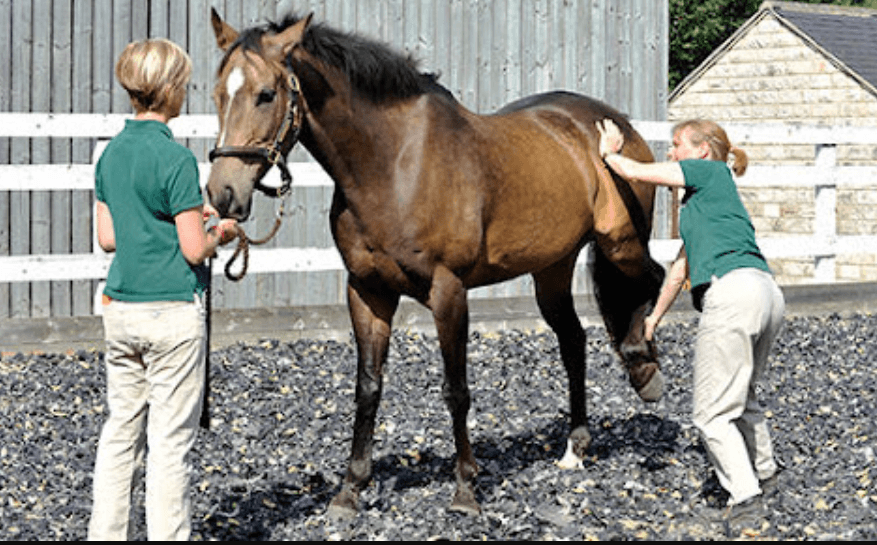
Manual therapy, including soft tissue mobilization and joint manipulation, aids in improving flexibility and reducing tension.
Concurrently, tailored exercise prescription fosters strength and endurance, optimizing overall athletic function.
These techniques collectively contribute to a horse’s ability to perform at its peak, ensuring a competitive edge.
The Impact of Physiotherapy on Injury Prevention and Recovery
Although injuries are an inherent risk in equestrian sports, the integration of physiotherapy plays a crucial role in both preventing and facilitating recovery from these ailments.
Effective injury management through tailored recovery strategies enhances equine resilience, promoting optimal performance.
Techniques such as manual therapy, stretching, and rehabilitation exercises are pivotal, ensuring horses remain agile while minimizing downtime associated with injuries.
Conclusion
In conclusion, physiotherapy serves as a vital cornerstone in optimizing horse performance, akin to a finely tuned engine that drives athletic excellence. By employing targeted techniques to address biomechanical issues and enhance flexibility, physiotherapy not only bolsters performance but also plays a crucial role in injury prevention and recovery. Thus, the integration of physiotherapy into equestrian training regimes is essential for nurturing both the physical and mental well-being of horses, ultimately unlocking their full potential.