168.1.247 Router Login and Network Settings Guide
Access to the 168.1.247 admin panel should begin on a trusted network with authenticated access. The guide outlines precise steps for secure login, unique SSIDs, and strong passphrases, plus disabling unused services. It covers DNS considerations and routine updates to reduce exposure. Advanced sections address port forwarding, QoS, and troubleshooting, all framed by auditable change logs and repeatable checks. The discussion then turns to concrete safeguards, inviting further examination of each configuration area.
How to Access the 168.1.247 Admin Panel Securely
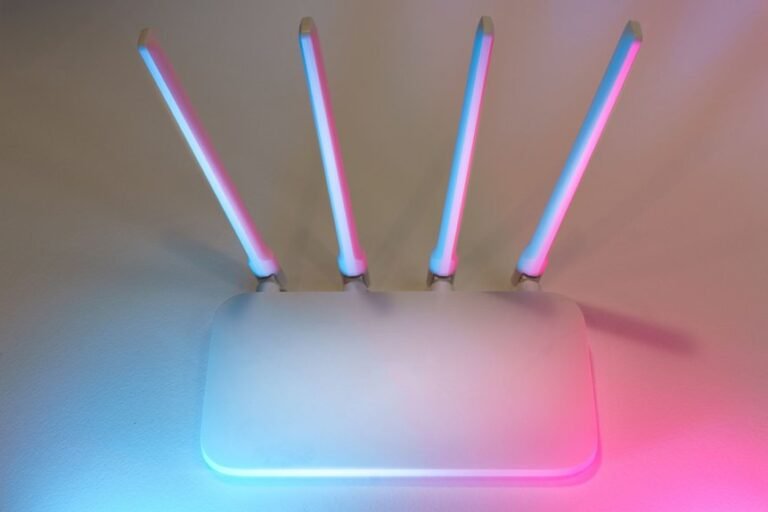
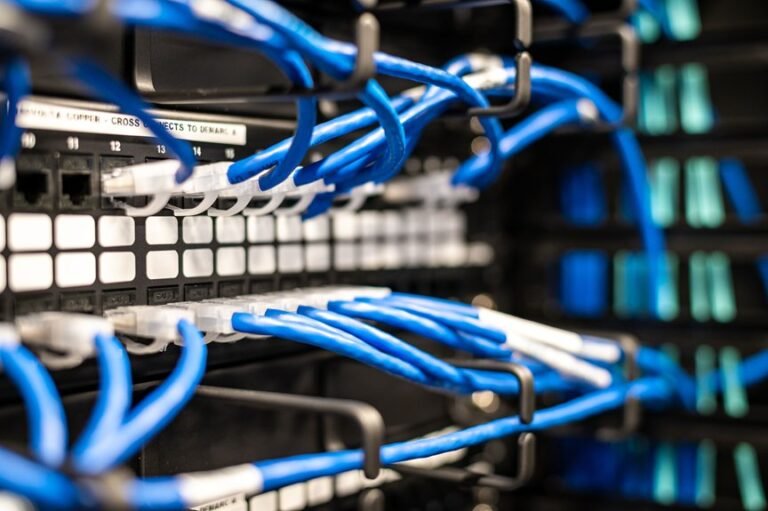
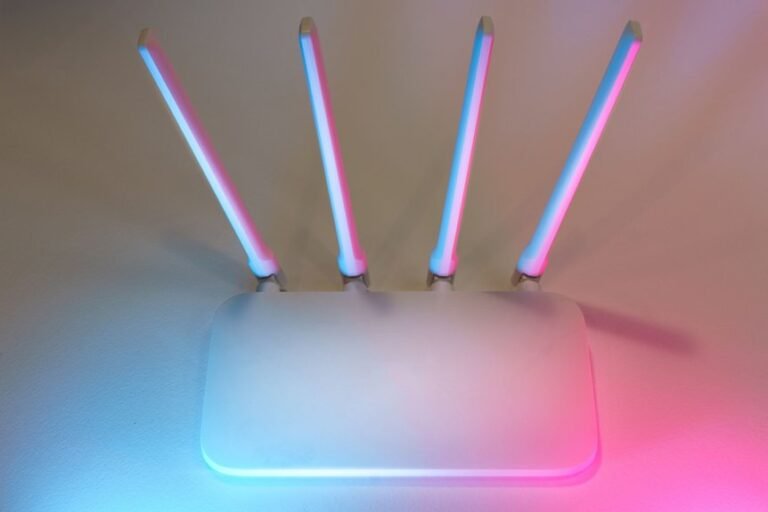
To access the 168.1.247 admin panel securely, a user should connect to the router’s management interface via a wired Ethernet connection or a trusted, secured network.
Access is limited to authenticated devices and updated firmware versions.
The procedure emphasizes accessibility considerations and legal compliance, documenting credentials handling, session timeouts, and auditability to support disciplined, freedom-loving administrators.
Set Up Wi‑Fi Name and Password (Tips for Strong Security)
When configuring a wireless network, selecting a unique SSID and a robust passphrase is essential for safeguarding access and preserving network integrity.
The guidance focuses on password security and wifi naming to reduce default exposure.
Choose a non-identifiable, descriptive SSID and a long, complex password, incorporating upper and lower cases, numbers, and symbols, while avoiding reuse across devices.
Essential Router Security and DNS Settings You Should Know
Essential router security and DNS settings form the backbone of a resilient home network. The guide delineates structured configurations: disable unused services, enforce strong DNS entries, and enable automatic firmware updates. It assesses security risks and mitigations, details DNS-over-HTTPS options, and considers cloud integration implications. A disciplined approach empowers users to maintain privacy, control, and reliable connectivity without unnecessary complexity.
Advanced Features: Port Forwarding, QoS, and Troubleshooting Tips
Advanced features such as port forwarding, Quality of Service (QoS), and troubleshooting strategies are presented with a focus on practical configuration steps, measurable outcomes, and diagnostic workflows.
The guide outlines network security considerations, precise rule creation, and prioritization schemes, while ensuring firmware updates are applied safely.
Procedures emphasize repeatable checks, verifiable results, and documented change logs for reliable, freedom-fostering administration.
Frequently Asked Questions
Does 168.1.247 Require a Specific Browser for Login?
No, it does not require a specific browser. The login page may show quirks on certain browsers; users should verify browser compatibility and anticipate login page quirks, then proceed with a standard, methodical approach for secure access.
Can I Access the Router From a Mobile Network Outside Home?
From an external vantage, mobile access is possible but depends on router configuration; remote login requires enabling WAN access and secure credentials. The system is technically feasible, yet disciplined administrators balance freedom with robust authentication and encryption.
How Often Should Firmware Be Updated for Security?
A firm cadence is advised: firmware update cadence should align with vendor patches and risk exposure, applying critical fixes promptly. Security best practices dictate quarterly reviews, plus urgent updates for high-severity advisories, ensuring devices remain protected and resilient.
Are There Parental Controls Available Beyond Guest Network?
Parental controls beyond guest network exist, enabling content filtering and device scheduling. Paralleling protections, content filtering screens inappropriate material; device scheduling enforces usable hours. Parental controls beyond guest network provide precise, auditable, freedom-conscious governance over digital environments.
What to Do if I Forget the Router Admin Password?
If the forget password occurs, the user should perform a factory reset, then set a new admin password via remote login; ensure browser compatibility before accessing, and document the change to avoid future access issues.
Conclusion
In summary, the guide streamlines secure router administration via authenticated, trusted networks, emphasizing unique SSIDs, robust passphrases, and minimal exposed services. It advocates automatic firmware updates and thoughtful DNS choices, including privacy implications of DNS-over-HTTPS. An instructive statistic highlights the risk: over 70% of home router breaches occur within the first hour after exposure due to weak credentials. The procedures—port forwarding, QoS, and diagnostics—are presented as repeatable, auditable steps for reliable performance.