4300 Private Network Configuration Guide
The 4300 Private Network Configuration Guide outlines a disciplined approach to secure, scalable topology design. It advocates formal asset inventories, trusted-domain boundaries, and risk-aware segmentation aligned with hardware and tunneling choices. It standardizes tunnel authentication, baseline configurations, and performance tuning, backed by auditable documentation and proactive diagnostics. Change control and reproducible steps ensure deterministic latency and robust cryptography. The framework invites scrutiny and refinement, but the next steps demand careful consideration of governance and implementation constraints.
How to Plan a 4300 Private Network Topology
Planning a 4300 private network topology begins with defining the security and performance objectives, followed by a formal inventory of assets, traffic flows, and trusted domains. The process emphasizes disciplined mapping, boundary definitions, and risk-aware segmentation. Concrete constraints guide private planning decisions, ensuring scalable, auditable configurations. Clear documentation supports maintenance, auditing, and freedom within a secure network topology.
Choosing Hardware and Tunneling Platforms for 4300
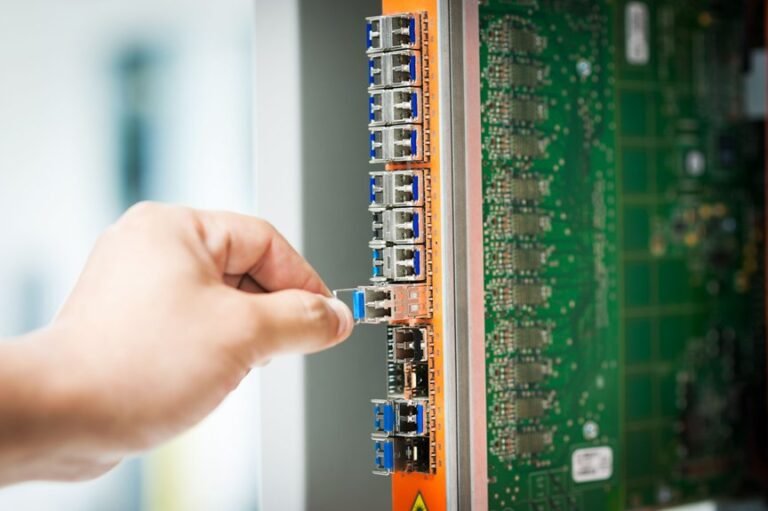
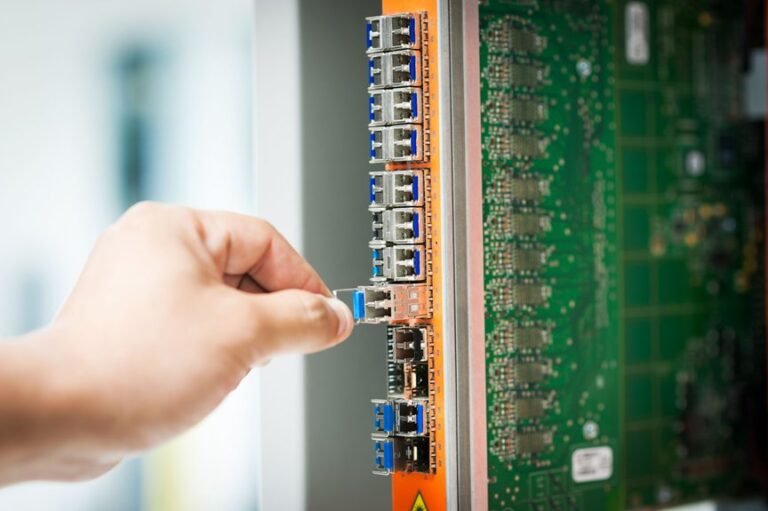
Selecting appropriate hardware and tunneling platforms for the 4300 private network requires aligning device capabilities with the defined security objectives and traffic patterns established in the prior planning stage.
The evaluation emphasizes data center readiness and scalable cloud integration, ensuring modular interfaces, predictable latency, and robust cryptographic support.
Choices favor interoperable, low-footprint devices with clear upgrade paths and rigorous change control.
Continuous, disciplined validation sustains freedom-oriented security.
Securing Private Tunnels and Authentication Methods
Securing private tunnels and authentication methods requires a disciplined approach to ensure confidentiality, integrity, and availability across the 4300 network.
The analysis emphasizes tunnel security, robust authentication methods, and disciplined hardware selection.
It assesses tunneling platforms for compatibility, enforces access control, and documents baseline configurations.
Performance tuning and troubleshooting guidance are reserved for future refinement, avoiding unnecessary redundancy.
Performance Tuning and Troubleshooting for 4300 Networks
What approaches optimize performance and accelerate issue resolution within 4300 networks? Performance tuning prioritizes deterministic latency optimization and proactive diagnostics. Systematic monitoring identifies bottlenecks, flags anomalies, and guides targeted adjustments. Compatibility checks ensure hardware compatibility and firmware alignment, reducing regression risk. Troubleshooting employs reproducible steps, controlled rollbacks, and secure change management to sustain resilient, auditable operation within constrained environments.
Frequently Asked Questions
How Often Should Firmware Be Updated on 4300 Devices?
Firmware updates should be applied promptly upon release, with routine reviews every quarter. This approach supports ongoing device maintenance and security, ensuring resilience while preserving user autonomy and freedom in network operations. Continuous monitoring is advised for optimal protection.
Can 4300 Support Multi-Cloud Private Peering Natively?
Yes, 4300 supports native multi-cloud private peering, enabling secure, direct pathways between clouds. It is designed for precise, auditable configurations, emphasizing defense-in-depth while preserving freedom to connect diverse environments via robust, scalable private peering.
What Is the Recommended MTU for Tunnels on 4300?
The MTU guidance for tunnels on 4300 recommends aligning to 1500 bytes plus headers, ensuring fragmentation is avoided; this supports Tunnels optimization while preserving security and performance for freedom-seeking deployments.
How to Migrate Existing Configs Without Downtime?
Migration strategies minimize downtime; careful sequencing ensures continuity. The analysis confirms: planned, staged migrations with rollback and testing prevent service interruption. Downtime prevention hinges on atomic config swaps, parallel paths, and vigilant monitoring throughout the process.
Are There Known Interoperability Issues With Specific ISPS?
Interoperability myths exist; no universal ISP quirks guarantee compatibility. The analysis identifies sporadic routing peculiarities and NAT behaviors, urging standardized tunnels and continuous monitoring. Security-focused procedures minimize drift, preserving freedom while documenting ISP quirks for informed edge decisions.
Conclusion
In summation, the 4300 Private Network configuration embodies disciplined rigor and prudent caution. Operators move with measured precision, treating risk as a companion rather than adversary.By adhering to formal inventories, validated trust domains, and reproducible procedures, they cultivate quiet resilience. Tunnels remain unobtrusively secure, performance tuned to predictable rhythms, and changes logged with careful restraint. The message whispers through the practice: resilience is a disciplined habit, not a sudden revelation.