The Role of Hydration in Racehorse Health
Hydration is a critical factor influencing the health and performance of racehorses. Proper water intake is essential for thermoregulation, muscle function, and metabolic efficiency. Dehydration can severely impact a horse’s performance and recovery, creating significant risks for trainers and owners. Understanding the importance of hydration is vital, yet many neglect the signs of dehydration and strategies for maintenance. This oversight can have detrimental effects on a horse’s readiness for competition.
Importance of Hydration for Racehorses
Hydration plays a critical role in maintaining the overall health and performance of racehorses. Adequate fluid intake provides numerous hydration benefits, including improved thermoregulation, enhanced muscle function, and optimized metabolic processes.
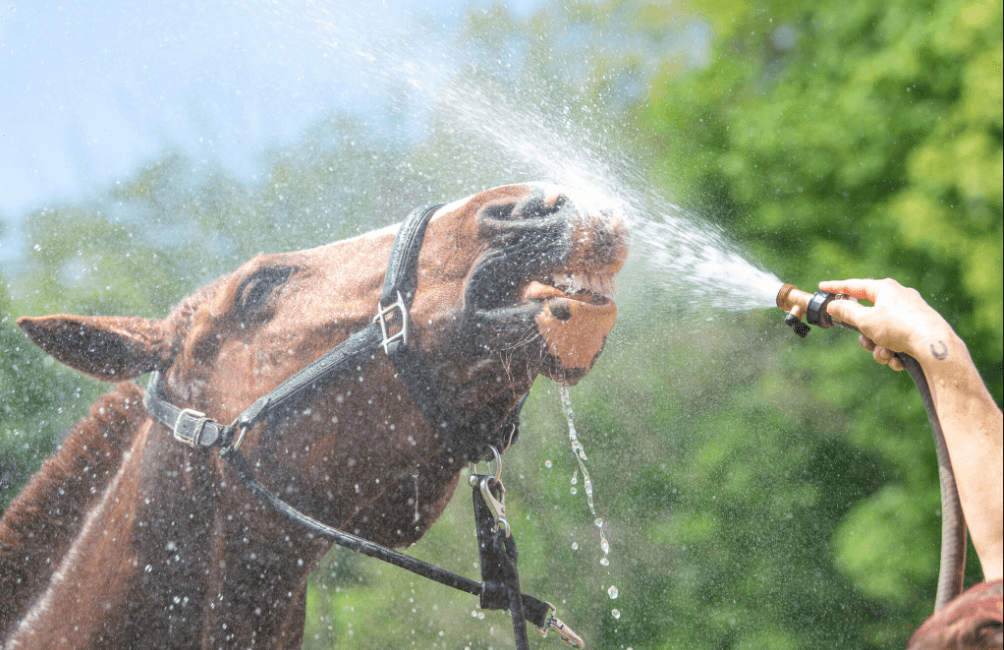
Effective hydration methods, such as electrolyte solutions and consistent access to fresh water, are essential for ensuring racehorses remain hydrated, ultimately contributing to their stamina, speed, and overall athletic prowess on the track.
See also: The Role of Jockeys in Race Outcomes
Recognizing Signs of Dehydration
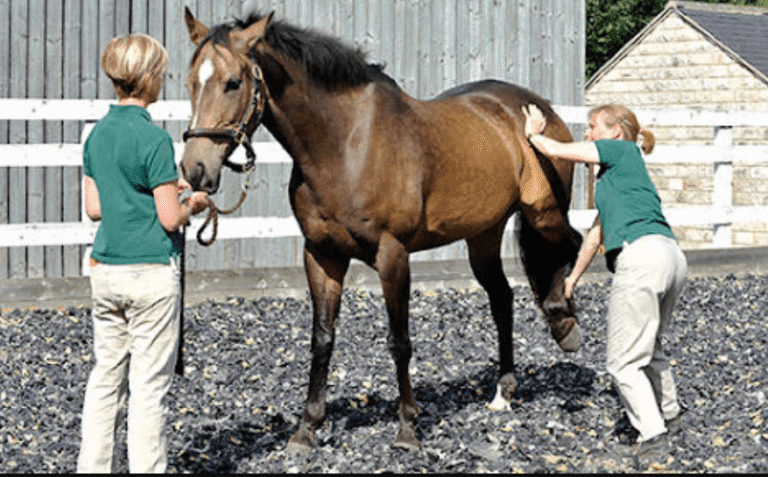
Dehydration in racehorses can manifest through various physiological signs that require careful observation by trainers and caretakers.
Common dehydration symptoms include dry mucous membranes, decreased skin elasticity, and increased heart rate.
These indicators may disrupt electrolyte balance, leading to further health complications.
Early recognition of these signs is crucial for maintaining optimal performance and ensuring the well-being of the horse.
Strategies for Maintaining Optimal Hydration
Maintaining optimal hydration in racehorses requires a multifaceted approach that addresses both water intake and electrolyte balance.
Effective hydration techniques include providing constant access to fresh water, using electrolyte supplements, and monitoring intake before and after exercise.
Adjusting dietary components can further support electrolyte balance, enhancing performance and recovery.
Consistent evaluation of hydration status ensures racehorses remain at peak health and performance levels.
Conclusion
In the world of racehorses, hydration is akin to fuel for a high-performance engine. Just as a race car requires optimal fuel levels to achieve peak performance, horses depend on adequate water intake to maintain speed and stamina. A study showed that even a 2% loss in body weight due to dehydration can significantly impair performance. Therefore, trainers must prioritize hydration strategies to ensure their equine athletes are fully prepared to excel on race day, safeguarding their health and enhancing their competitive edge.