The Science Behind Horse Muscles and Movement
The study of horse muscles and movement reveals a complex interplay between anatomy and function. Horses exhibit a diverse range of muscle fiber types, each tailored for specific activities. Understanding these fibers is crucial for assessing performance capabilities. Additionally, the biomechanics of horse locomotion highlights the efficiency of muscle coordination. This intricate system raises questions about how various training methods can enhance athletic performance and injury prevention in equine athletes.
The Anatomy of Horse Muscles
The anatomy of horse muscles is a complex and intricate system that plays a crucial role in the animal’s movement and overall function.
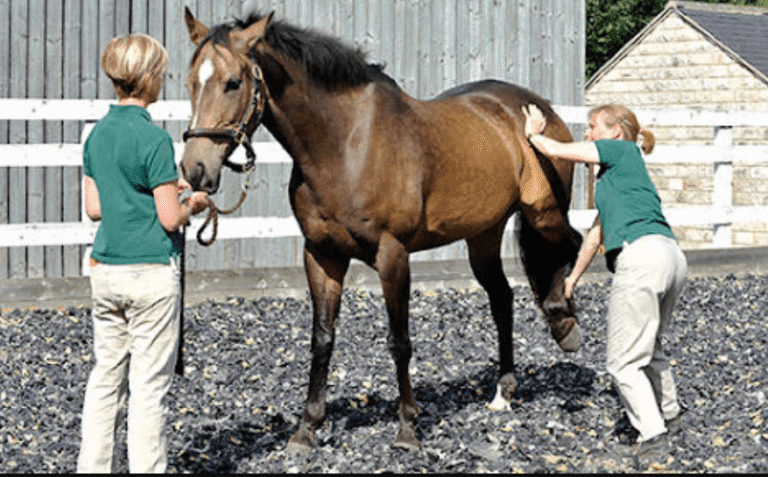
Understanding muscle structure reveals various muscle groups, such as flexors and extensors, that coordinate to facilitate locomotion. Each muscle group operates synergistically, contributing to efficiency and power, essential for the horse’s agility and endurance in diverse activities.
Muscle Fiber Types and Their Functions
Muscle fiber types in horses are classified into two primary categories: slow-twitch (Type I) and fast-twitch (Type II) fibers, each serving distinct functional roles in locomotion.
Slow twitch fibers are optimized for endurance, supporting prolonged activities such as trotting.
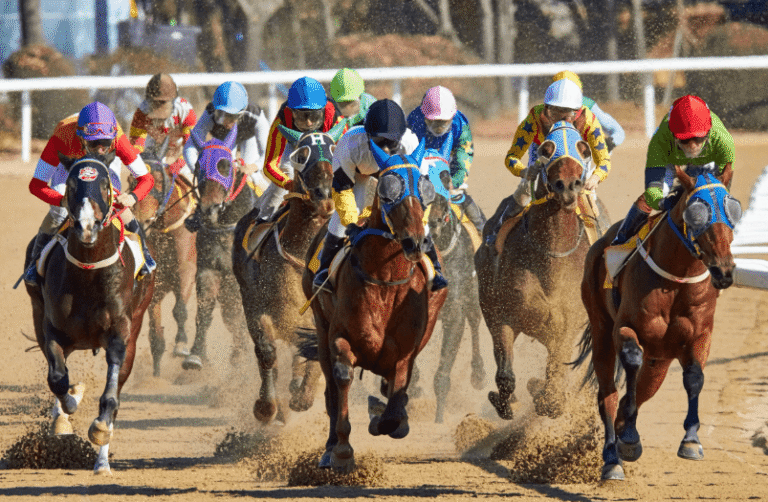
In contrast, fast twitch fibers are designed for explosive power, facilitating rapid acceleration during sprinting or jumping, essential for competitive performance in various equestrian disciplines.
Biomechanics of Horse Movement
Understanding the biomechanics of horse movement is fundamental for analyzing how muscle fiber types contribute to locomotion.
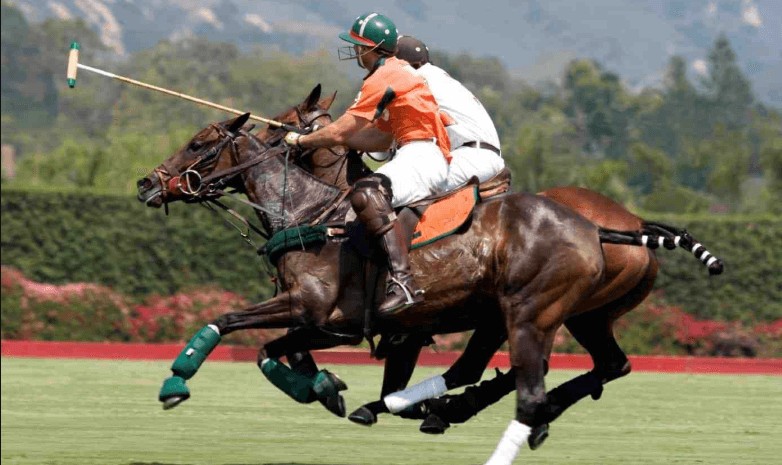
Equine locomotion involves intricate muscle coordination, enabling the horse to achieve efficient gait patterns. The interplay of fast-twitch and slow-twitch fibers facilitates varied speeds and endurance, while joint mechanics and limb dynamics optimize movement.
This intricate system underscores the horse’s adaptability and performance across diverse terrains.
Conclusion
In summary, the intricate architecture of horse muscles, complemented by the diverse array of muscle fiber types, orchestrates a remarkable ballet of movement. This elegant synergy not only enhances performance across various disciplines but also serves as a safeguard against potential injuries. By delving into the biomechanics of equine locomotion, one can appreciate the underlying artistry that enables these majestic animals to navigate their world with grace and power, ultimately enriching both their athletic pursuits and well-being.